Why Chess Stops Being Fun- and How to Find the Joy Again

Why Chess Stops Being Fun- and How to Find the Joy Again

Share this post :
Facebook
Twitter
LinkedIn
Pinterest

2 Responses

Leave a Reply

Your email address will not be published. Required fields are marked *

The Secret Station

Lorem ipsum dolor sit amet consectetur adipiscing elit dolor

Intrinsic vs. extrinsic motivation

There was once a man who couldn’t stand the noise of children playing outside his house.

Every day, they came back- laughing, shouting, competing, making the kind of noise only children can make.

He tried asking them to leave. He scolded them. Nothing worked.

Then he tried a different approach.

He told the children that whoever made the loudest noise would receive candy.

Suddenly, the game became even more exciting.

They returned every day, louder than before.

At first, he rewarded five children.

Then five became three.

Three became two.

Eventually, there was only one winner.

And then, one day, the candy disappeared completely.

The children were angry.

The game that once felt exciting now felt pointless. They had learned to associate the noise with the reward… and without the reward, there was no reason to make the noise anymore.

So they stopped coming.

The compound became quiet.

Not because the children had stopped enjoying each other.

But because the reason they were playing had changed.

And sometimes, we do the same thing with chess. -And this isn’t just a chess problem. We do the same thing in relationships, careers, creativity, faith, and almost every part of life when we let external rewards replace the reason we started.

When we first discover chess, there usually isn’t much at stake.

We play because we’re fascinated.

We celebrate our first checkmate. We get excited when we spot a tactic. We stay up thinking about a position simply because we want to understand it.

 Then something changes.

We discover ratings.

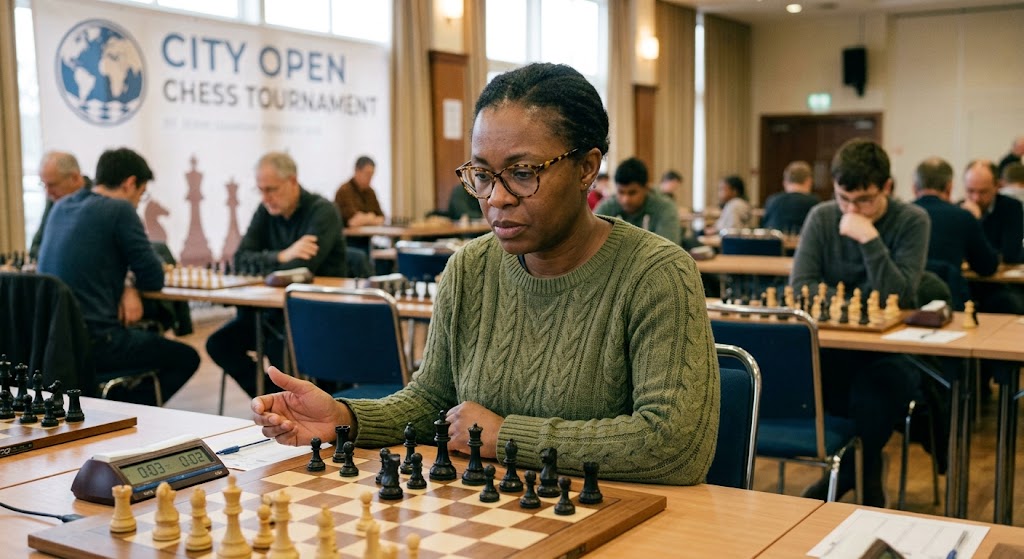
Suddenly, 1200 isn’t just a number- it’s something we have to defend.

A loss isn’t just a loss anymore.

It’s a drop.

A tournament isn’t just a tournament.

It’s a test.

We start comparing ourselves to other players. We become obsessed with results, titles, rankings, and proving that all the work we’ve put in is paying off.

Without noticing it, the candy has become more important than the game.

And that’s when chess can stop feeling like something we love and start feeling like something we have to perform.

This doesn’t mean ambition is bad.

Wanting to improve is good.

Wanting to win is good.

Ratings can motivate us. Competition can push us. Goals can give our training direction.

The problem begins when the external reward becomes the only reason we play.

Because then every game carries a question:

“What will this do to my rating?”

Instead of:

“What can I learn from this position?”

And those are very different questions.

One makes chess a judgment of your worth.

The other makes chess a place to explore.

Maybe getting the joy back doesn’t mean abandoning your goals.

Maybe it means remembering what existed before the goals.

Solve a puzzle because the position is beautiful.

Study an opening because you genuinely want to understand it.

Play a game without checking your rating immediately afterward.

Lose a game and ask, “What did this position teach me?” before asking, “How many points did I lose?”

Let improvement matter.

But don’t let improvement become the only reason you’re there.

Because chess was never supposed to be just about collecting numbers.

It is a game of ideas, creativity, patience, mistakes, discovery and expression.

And sometimes, the strongest thing you can do for your chess is to stop asking what the game can give you and start asking what you can experience inside it.

The candy was never the game. Neither is the rating.

♟️

…Victor Makori

MakoryMindset
Share this post :
Facebook
Twitter
LinkedIn
Pinterest

2 Responses

Leave a Reply

Your email address will not be published. Required fields are marked *

The Secret Station

Lorem ipsum dolor sit amet consectetur adipiscing elit dolor
Share this post :
Facebook
Twitter
LinkedIn
Pinterest

2 Responses

Leave a Reply

Your email address will not be published. Required fields are marked *

The Secret Station

Lorem ipsum dolor sit amet consectetur adipiscing elit dolor

Intrinsic vs. extrinsic motivation

There was once a man who couldn’t stand the noise of children playing outside his house.

Every day, they came back- laughing, shouting, competing, making the kind of noise only children can make.

He tried asking them to leave. He scolded them. Nothing worked.

Then he tried a different approach.

He told the children that whoever made the loudest noise would receive candy.

Suddenly, the game became even more exciting.

They returned every day, louder than before.

At first, he rewarded five children.

Then five became three.

Three became two.

Eventually, there was only one winner.

And then, one day, the candy disappeared completely.

The children were angry.

The game that once felt exciting now felt pointless. They had learned to associate the noise with the reward… and without the reward, there was no reason to make the noise anymore.

So they stopped coming.

The compound became quiet.

Not because the children had stopped enjoying each other.

But because the reason they were playing had changed.

And sometimes, we do the same thing with chess. -And this isn’t just a chess problem. We do the same thing in relationships, careers, creativity, faith, and almost every part of life when we let external rewards replace the reason we started.

When we first discover chess, there usually isn’t much at stake.

We play because we’re fascinated.

We celebrate our first checkmate. We get excited when we spot a tactic. We stay up thinking about a position simply because we want to understand it.

 Then something changes.

We discover ratings.

Suddenly, 1200 isn’t just a number- it’s something we have to defend.

A loss isn’t just a loss anymore.

It’s a drop.

A tournament isn’t just a tournament.

It’s a test.

We start comparing ourselves to other players. We become obsessed with results, titles, rankings, and proving that all the work we’ve put in is paying off.

Without noticing it, the candy has become more important than the game.

And that’s when chess can stop feeling like something we love and start feeling like something we have to perform.

This doesn’t mean ambition is bad.

Wanting to improve is good.

Wanting to win is good.

Ratings can motivate us. Competition can push us. Goals can give our training direction.

The problem begins when the external reward becomes the only reason we play.

Because then every game carries a question:

“What will this do to my rating?”

Instead of:

“What can I learn from this position?”

And those are very different questions.

One makes chess a judgment of your worth.

The other makes chess a place to explore.

Maybe getting the joy back doesn’t mean abandoning your goals.

Maybe it means remembering what existed before the goals.

Solve a puzzle because the position is beautiful.

Study an opening because you genuinely want to understand it.

Play a game without checking your rating immediately afterward.

Lose a game and ask, “What did this position teach me?” before asking, “How many points did I lose?”

Let improvement matter.

But don’t let improvement become the only reason you’re there.

Because chess was never supposed to be just about collecting numbers.

It is a game of ideas, creativity, patience, mistakes, discovery and expression.

And sometimes, the strongest thing you can do for your chess is to stop asking what the game can give you and start asking what you can experience inside it.

The candy was never the game. Neither is the rating.

♟️

…Victor Makori

MakoryMindset
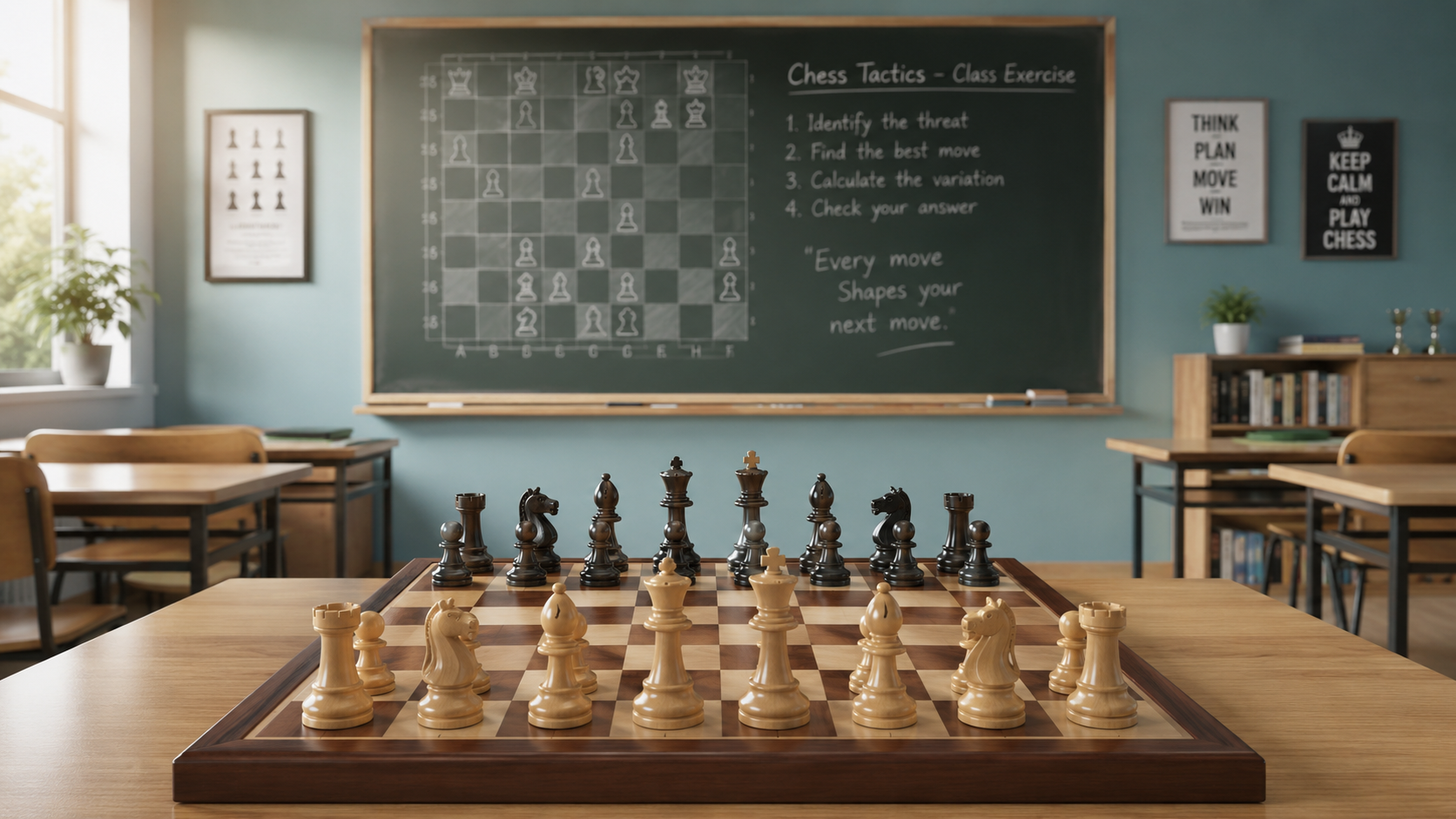
Why Chess Stops Being Fun- and How to Find the Joy Again

Share this post :
Facebook
Twitter
LinkedIn
Pinterest

2 Responses

Leave a Reply

Your email address will not be published. Required fields are marked *

The Secret Station

Lorem ipsum dolor sit amet consectetur adipiscing elit dolor

Intrinsic vs. extrinsic motivation

There was once a man who couldn’t stand the noise of children playing outside his house.

Every day, they came back- laughing, shouting, competing, making the kind of noise only children can make.

He tried asking them to leave. He scolded them. Nothing worked.

Then he tried a different approach.

He told the children that whoever made the loudest noise would receive candy.

Suddenly, the game became even more exciting.

They returned every day, louder than before.

At first, he rewarded five children.

Then five became three.

Three became two.

Eventually, there was only one winner.

And then, one day, the candy disappeared completely.

The children were angry.

The game that once felt exciting now felt pointless. They had learned to associate the noise with the reward… and without the reward, there was no reason to make the noise anymore.

So they stopped coming.

The compound became quiet.

Not because the children had stopped enjoying each other.

But because the reason they were playing had changed.

And sometimes, we do the same thing with chess. -And this isn’t just a chess problem. We do the same thing in relationships, careers, creativity, faith, and almost every part of life when we let external rewards replace the reason we started.

When we first discover chess, there usually isn’t much at stake.

We play because we’re fascinated.

We celebrate our first checkmate. We get excited when we spot a tactic. We stay up thinking about a position simply because we want to understand it.

 Then something changes.

We discover ratings.

Suddenly, 1200 isn’t just a number- it’s something we have to defend.

A loss isn’t just a loss anymore.

It’s a drop.

A tournament isn’t just a tournament.

It’s a test.

We start comparing ourselves to other players. We become obsessed with results, titles, rankings, and proving that all the work we’ve put in is paying off.

Without noticing it, the candy has become more important than the game.

And that’s when chess can stop feeling like something we love and start feeling like something we have to perform.

This doesn’t mean ambition is bad.

Wanting to improve is good.

Wanting to win is good.

Ratings can motivate us. Competition can push us. Goals can give our training direction.

The problem begins when the external reward becomes the only reason we play.

Because then every game carries a question:

“What will this do to my rating?”

Instead of:

“What can I learn from this position?”

And those are very different questions.

One makes chess a judgment of your worth.

The other makes chess a place to explore.

Maybe getting the joy back doesn’t mean abandoning your goals.

Maybe it means remembering what existed before the goals.

Solve a puzzle because the position is beautiful.

Study an opening because you genuinely want to understand it.

Play a game without checking your rating immediately afterward.

Lose a game and ask, “What did this position teach me?” before asking, “How many points did I lose?”

Let improvement matter.

But don’t let improvement become the only reason you’re there.

Because chess was never supposed to be just about collecting numbers.

It is a game of ideas, creativity, patience, mistakes, discovery and expression.

And sometimes, the strongest thing you can do for your chess is to stop asking what the game can give you and start asking what you can experience inside it.

The candy was never the game. Neither is the rating.

♟️

…Victor Makori

MakoryMindset

Share this post :
Facebook
Twitter
LinkedIn
Pinterest

2 Responses

Leave a Reply

Your email address will not be published. Required fields are marked *

The Secret Station

Lorem ipsum dolor sit amet consectetur adipiscing elit dolor
Share this post :
Facebook
Twitter
LinkedIn
Pinterest

2 Responses

Leave a Reply

Your email address will not be published. Required fields are marked *

The Secret Station

Lorem ipsum dolor sit amet consectetur adipiscing elit dolor