Ever looked at a chess player’s rating and wondered what those numbers actually mean? Is a player rated 1800 automatically better than someone rated 1500? How are rankings calculated, and how do players move up the ladder?
If you’ve ever asked these questions, you’re not alone.
Chess rankings can look complicated at first, but once you understand the basics, they become one of the most useful tools for tracking progress and setting goals.
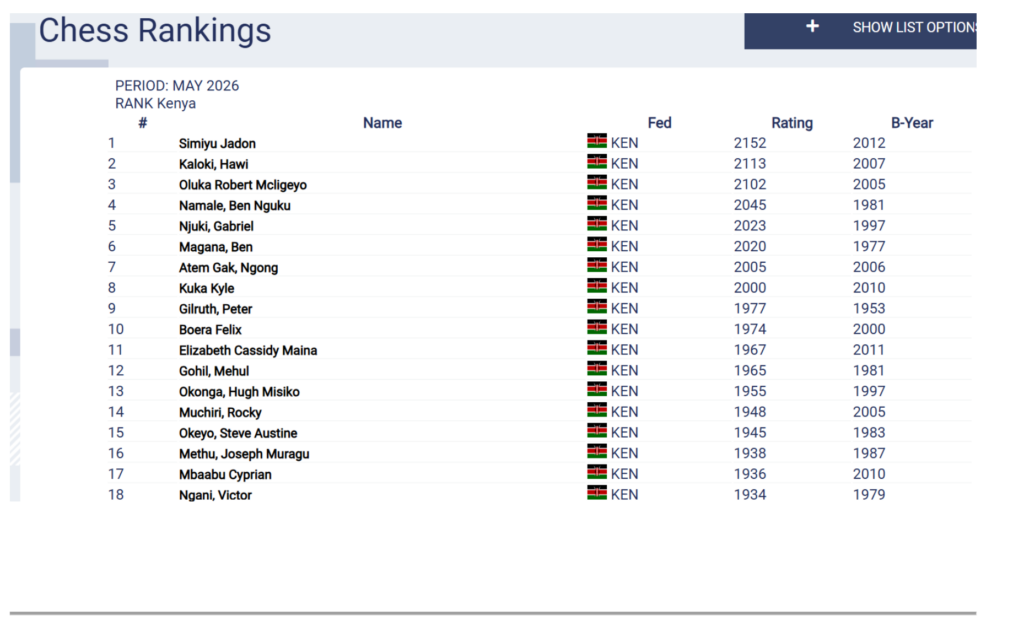
Whether you’re a beginner, parent, or competitive player, here’s everything you need to know about chess rankings in Kenya.
What Is a Chess Ranking?
A chess ranking or rating is a numerical score used to estimate a player’s skill level relative to other players.
Think of it as a performance measurement system.
The purpose of rankings is to:
• Match players of similar strength
• Track improvement over time
• Seed players in tournaments
• Identify top-performing players
• Create competitive balance
The higher the rating, the stronger the player is generally expected to be.
Understanding Rating Levels
Below is a general guide to how ratings are often interpreted
Important: Ratings are not permanent labels.
Players improve over time through:
• Practice
• Tournament experience
• Coaching
• Study
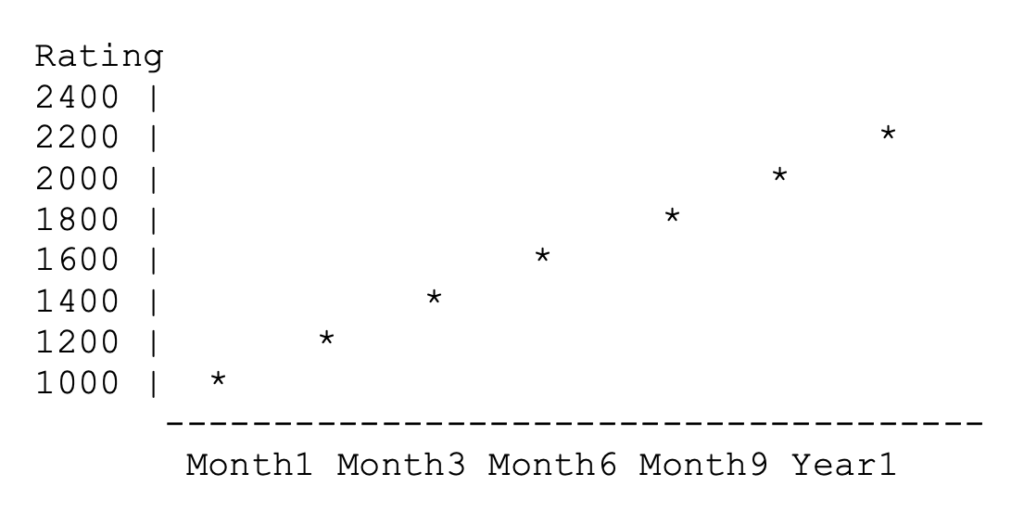
How Rating Growth Usually Looks
Many beginners expect chess improvement to happen quickly.
In reality, growth usually looks more like this:
Notice that progress is not perfectly straight.
Players often experience:
• Rapid improvement
• Plateaus
• Small drops
• Breakthrough periods
That is normal.
How Chess Ratings Change
Ratings increase or decrease based on results.
Example:
Suppose:
Player A = Rating 1500
Player B = Rating 1700
Possible outcomes:
Result Effect on Player A
wins Large rating increase
Draw Small increase
Loss Small decrease
Why?
Because beating stronger players is considered harder.
Why Tournament Games Matter
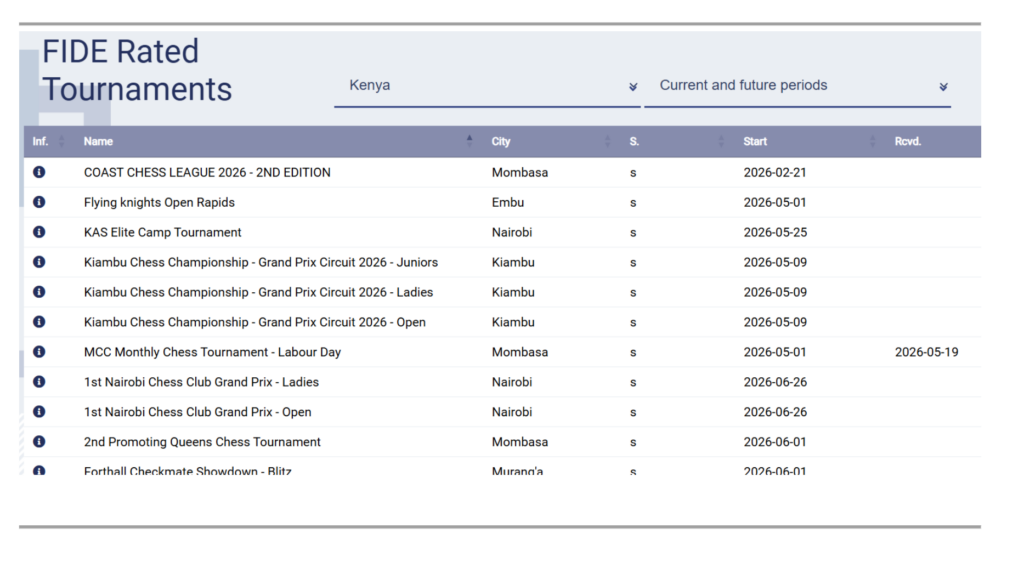
Casual games with friends usually do not affect official rankings.
Ratings normally change during:
• Rated tournaments
• League competitions
• Official events
• Approved competitive matches
Tournament participation is one of the fastest ways to build a rating profile.
Why Ratings Sometimes Drop
Many players panic when they lose rating points.
But temporary declines happen for many reasons:
A lower rating does not always mean a weaker player.
Sometimes it simply reflects a difficult tournament period.
How Players Improve Their Rankings
Players who consistently improve usually focus on habits rather than shortcuts.
Recommended improvement system:
Daily
• Solve tactical puzzles (15–20 minutes)
Weekly
• Analyze games
• Play training matches
Monthly
• Join tournaments
Long term
• Work with coaches
• Study strategy and endgames
Why Rankings Matter Beyond Competition
Chess rankings are not only about winning tournaments.
They also:
• Motivate players
• Help track progress
• Build confidence
• Create goals
• Encourage consistency
Many players remember their first rating milestone more than their first trophy.
Final Thoughts
Chess rankings are not designed to define a player. They are designed to measure progress.
Every strong player once started with a beginner rating.
The important question isn’t: “What is my rating today?” It’s: “Am I improving compared to
yesterday?”
Keep playing. Keep learning. Keep growing.