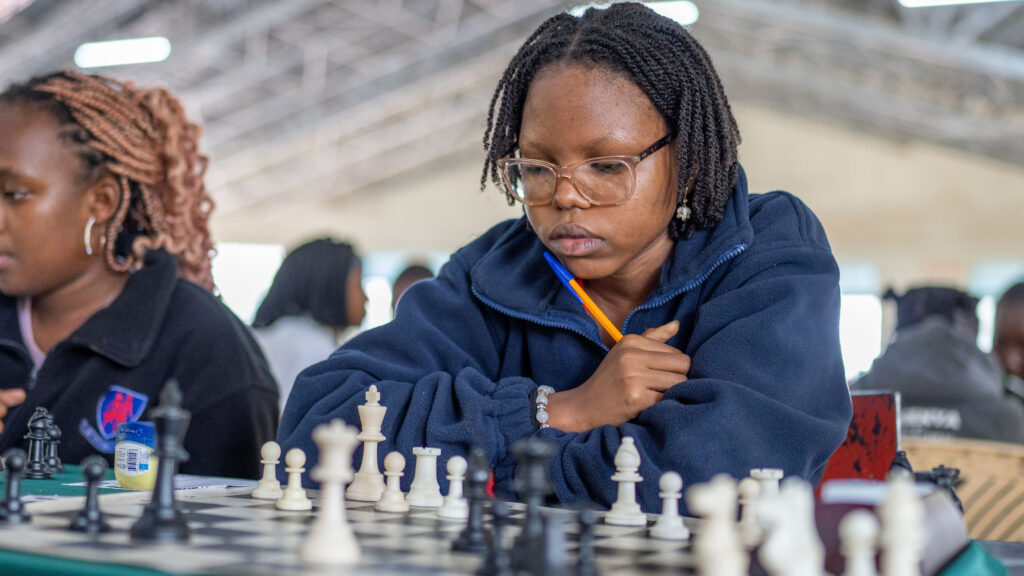
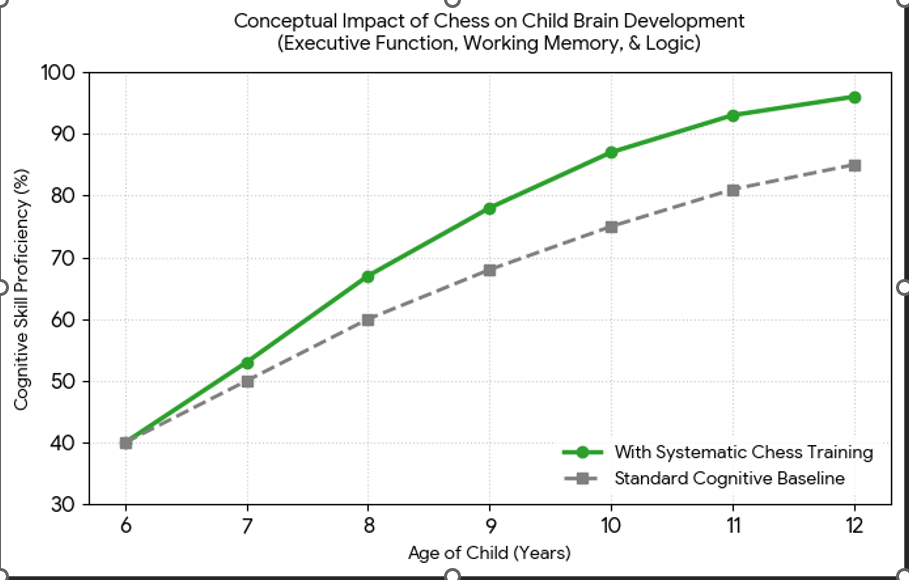
Playing chess is a highly effective way to accelerate a child’s brain development, particularly by strengthening executive functioning, memory, and spatial reasoning. To explore organized programs and tournaments that facilitate these benefits, resources like Kenyachesshub.co.ke and others offer excellent platforms for youth skill building.
Specific ways chess impacts brain development include:
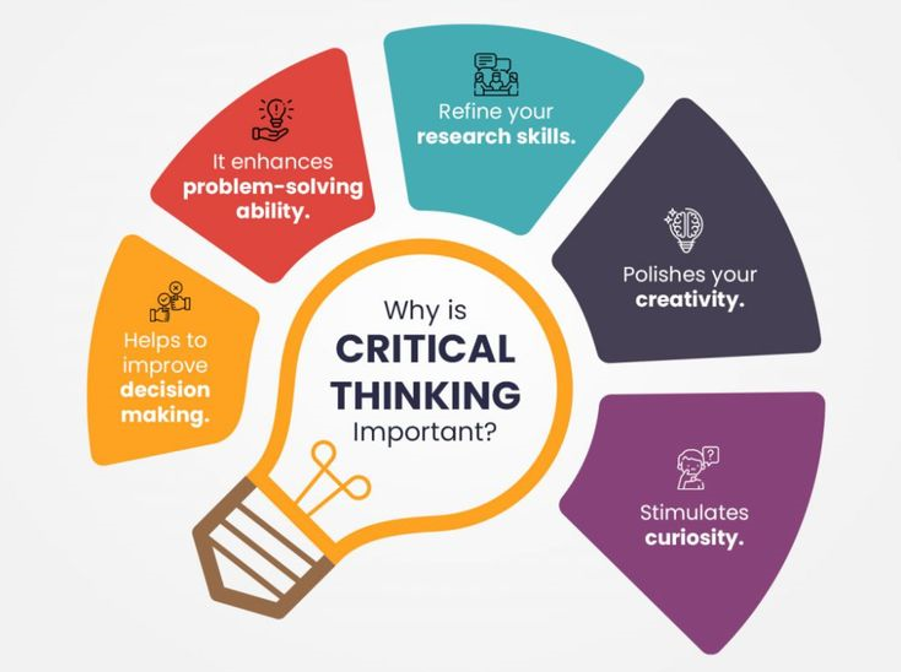
Executive Functioning: Chess heavily exercises the prefrontal cortex, which is responsible for planning, self-control, and critical thinking. It teaches children to evaluate consequences before making a move.
Enhanced Memory: Recalling opening sequences, tactical patterns, and endgames trains both visual and verbal memory. This cognitive cross-training frequently improves academic performance in memory-heavy subjects.
Pattern Recognition: The game requires players to quickly process complex information on the board. This ability to spot patterns easily translates to improved problem-solving skills in math and reading.
Focus and Patience: Sitting quietly to calculate multi-step manoeuvres builds sustained attention and teaches children to manage the impulse to make hasty decisions.
Emotional Resilience: Managing the frustration of a loss and analysing the mistakes made teaches children how to process setbacks constructively and adapt their strategies for the future
How Chess Shapes Problem-Solving Behaviours
Shift from Impulsive to Strategic Thinking
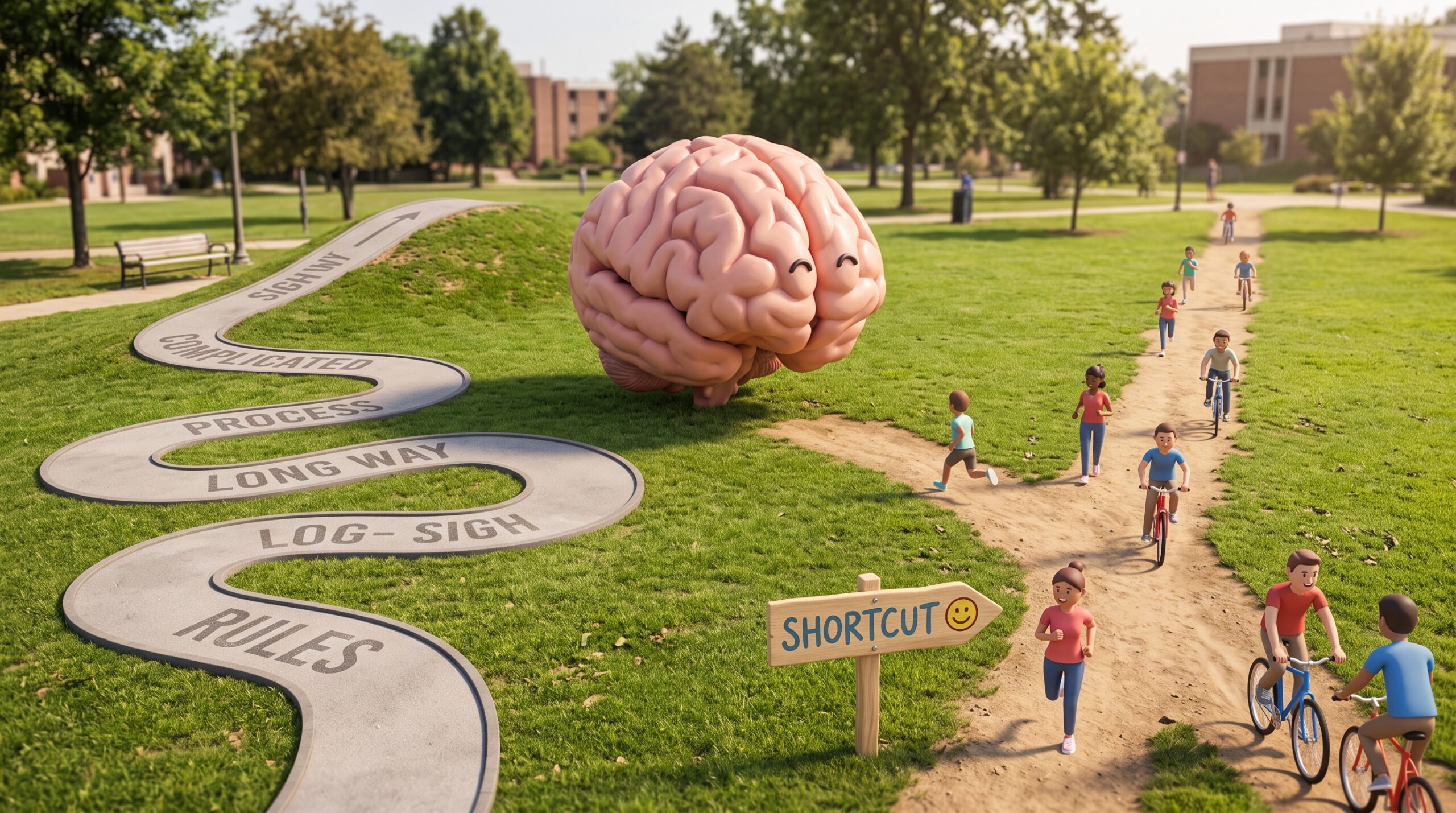
Untrained children often move pieces based on immediate gratification (e.g., taking an unprotected pawn). Chess directly penalizes this behaviour through traps. Over time, children develop the cognitive flexibility needed to replace impulse with multi-step planning.
Pattern Recognition and Working Memory
The brain excels at solving problems by matching current challenges to past experiences. Chess players constantly store, retrieve, and execute known tactical patterns (like forks, skewers, and pins). This expands their working memory and accelerates their real-time processing.
Managing the Evolving “Learning Zone”
Chess introduces children to calculated risks and setbacks. Losing a piece or a match teaches emotional regulation and resilience. Instead of shutting down, they learn to treat a loss as a diagnostic puzzle by replaying the game to identify the exact point where their logic failed.
How Parents Can Support Their Child’s Chess Journey
Chess for kids is a great way for them to learn how to have patience while improving their problem-solving skills. Attending after-school chess programs is an amazing method that can help kids improve their skills, enter chess tournaments, but also socialize and meet new people. If your child is interested in chess, how can you support his or her journey? Here are some tips and ideas!
The first thing you want to do is to provide him/her with access to the best chess-focused resources. Purchasing a chess set will help a lot, since it allows your child to improve and play at his own pace.
You should encourage your child to enter chess tournaments, but also play chess for kids digitally.
Your child can also enrol in after-school chess programs.
You also want to create a positive chess environment at home. That means you should celebrate the effort and every milestone your child makes in his/her chess journey.