The Seductive Lie Every Chess Player Believes
Every chess player — from Nairobi to New York — has felt the temptation.
That one clever trap.
That one sneaky move.
That one “gotcha” moment that makes your opponent look foolish.
But chess history has already delivered the ultimate warning:
“Your secret weapon can become your downfall.”
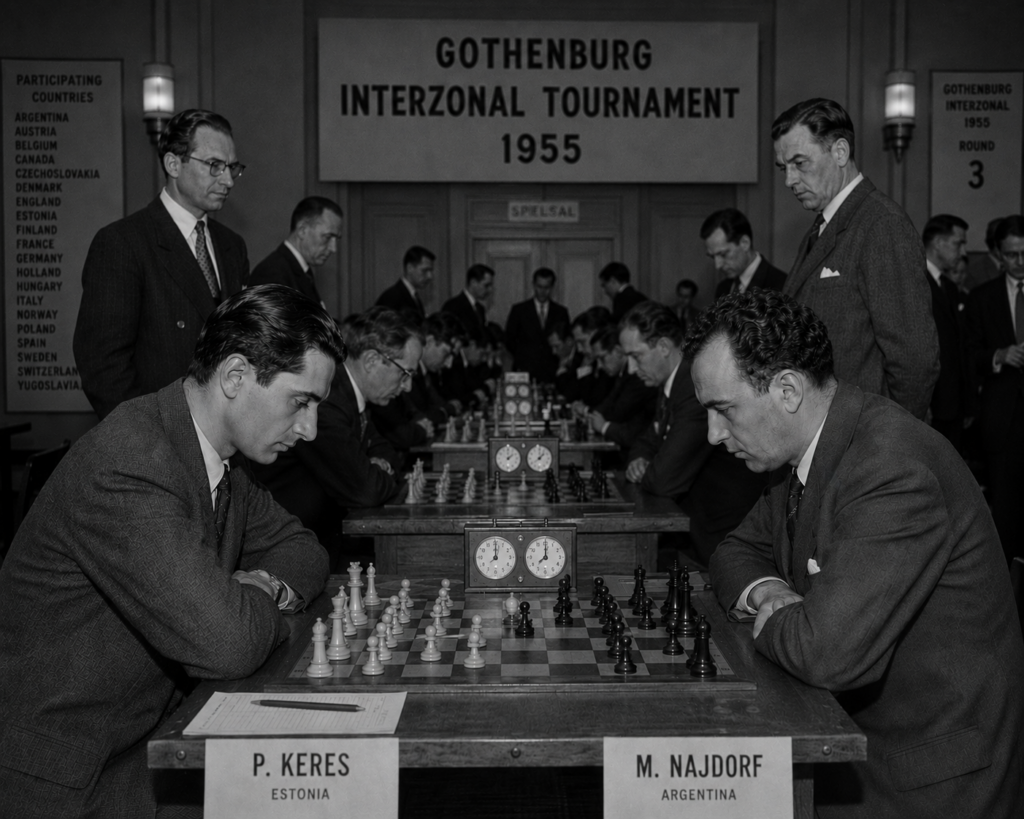
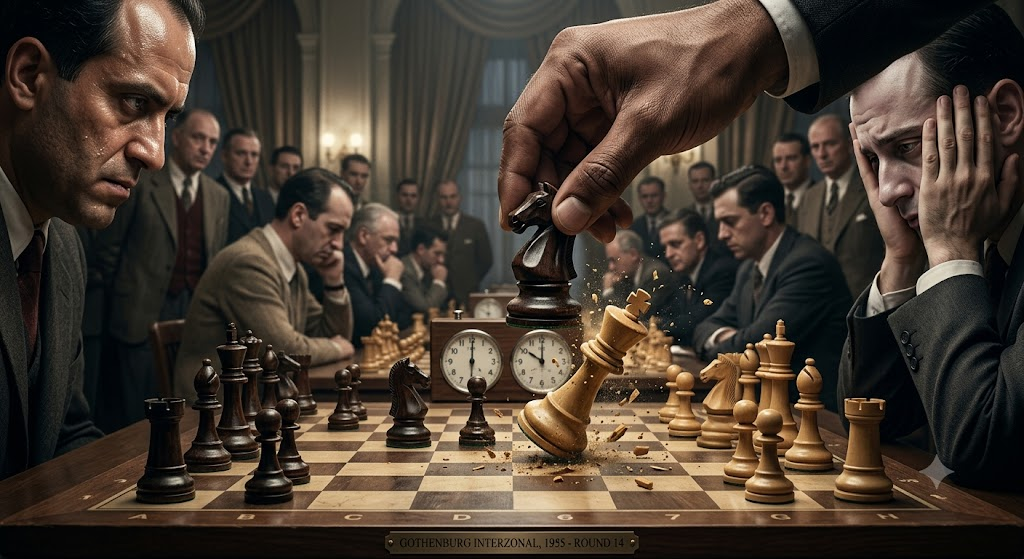
And nowhere was this more brutally exposed than in Gothenburg, 1955, when three elite grandmasters walked confidently into a disaster of their own making.
The Gothenburg Disaster: When Preparation Became Self-Destruction
Three Argentinian giants — Miguel Najdorf, Oscar Panno, and Germán Pilnik — spent days preparing a razor-sharp novelty in the Najdorf Sicilian.
Their secret weapon?
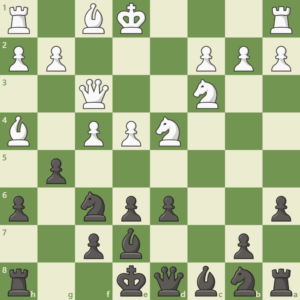
9…g5!?
A bold, aggressive pawn thrust meant to shock the Soviet team. The idea was after 10.fxg then the black night on f6 would end up on e5 via d7 controlling the centre.
And shock them it did — but only for a moment.
The Moment Everything Fell Apart
All three games — Geller vs Panno, Spassky vs Pilnik, Keres vs Najdorf — reached the exact same position.
The Argentinians were thrilled.
Their trap had sprung.
Their preparation had worked.
But then Efim Geller did something deadly:
He stopped relying on memory…
…and started playing chess.
He later wrote in Application of Chess Theory:
“It has always been me who has had to commit myself first… sometimes because I learned of the existence of the ‘twins’ [games following the same moves in the same tournament] later than my colleagues.”
Over the board, Geller calculated a stunning idea:
- Nxe6!
A knight sacrifice so powerful that once he played it, Spassky and Keres immediately followed the same plan.
Within hours…
All three Argentinians had lost — victims of their own preparation.
Why Traps Are Killing Your Chess Growth
The Gothenburg tragedy is more than a historical story — it’s a warning to every player who relies on tricks instead of understanding.
1. Traps Are Fragile
A trap is a conditional fantasy:
“If they play this, then I win.”
But if they don’t?
If they play the best move?
You’re left with a position you don’t understand — often a losing one.
2. Surprise Works Once — Then Never Again
You might catch someone at your local club or online.
But once they’ve seen it?
It’s over.
You become predictable.
A onetrick pony.
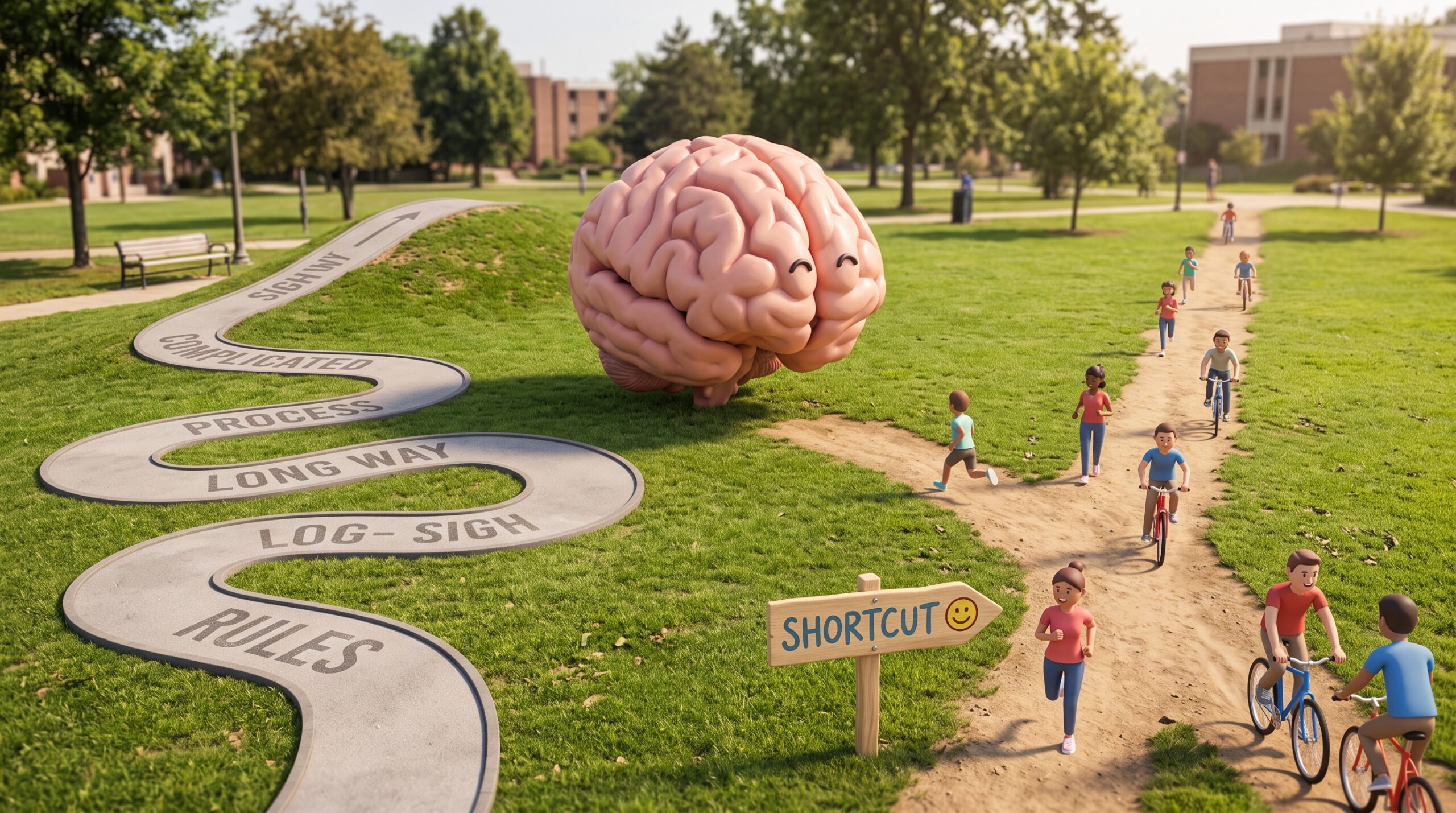
3. Traps Replace Real Thinking
When you hunt for traps, you stop asking:
You’re not playing chess.
You’re playing the lottery.
The Better Path
✔ Study the WHY, not just the moves
Understanding beats memorization.
✔ Prepare for your opponent’s BEST reply
Not the blunder you hope for.
✔ Build fundamentals, not fantasies
A solid position beats a shaky trap every time.
How Fischer Saved the Line
The Gothenburg Variation wasn’t dead forever.
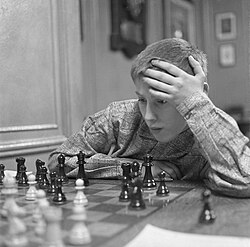
A 15 yearold Bobby Fischer revived it with the brilliant improvement:
13…Rh7!
Not a trick.
Not a trap.
Just truth.
Final Takeaway
The Gothenburg Nightmare teaches one unforgettable lesson:
Traps are fun — until they explode in your face.
If you want to grow, improve, and dominate tournaments in Kenya and beyond, build your chess on strategy, not surprise.
And if you want a place to start?
Kenya Chess Hub is here to guide you — with real training, real strategy, and real improvement.