Mombasa Open Round 3

Mombasa Open Round 3

Share this post :
Facebook
Twitter
LinkedIn
Pinterest

Leave a Reply

Your email address will not be published. Required fields are marked *

The Secret Station

Lorem ipsum dolor sit amet consectetur adipiscing elit dolor

The Mombasa Open Chess Championship is proving to be where strong players are not respected.

The Mombasa Open Chess Championship 2026 is being held at the Mombasa Continental Resort in the beautiful coastal town of Mombasa. The tournament is a 6 round Swiss format 90 minutes with 30 second increment from move 1. There are Open, Ladies and Junior sections with a total of about 250 players from all over the country. The tournament is organised by Mombasa Chess Cub and sports a handsome prize fund of USD1900. Games started on Friday 9th October and end on Sunday 11th October.

As we enter the second half of the 6 round tournament there are currently 9(!) players with 2.5 points out of 3. The first round had a few upsets with Richard Mutumbi (1573) out- calculating Achol Agot (1783).

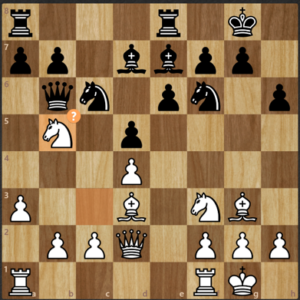
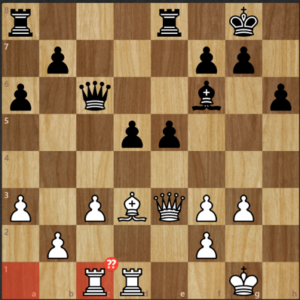
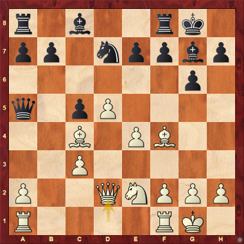
Achol Agot-Richard Mutumbi 14.Nb5?

 Mutumbi was black in this position and Agot has just played the dubious 14.Nb5? (seems like a natural move eyeing the c7 square but loses a pawn after the intermezzo) 14…Ne4! (Which gives black the bishop pair. The situation was not fatal yet until white lined up the rook and queen for a skewer on move 24 losing the exchange and eventually the game:

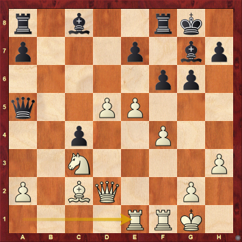
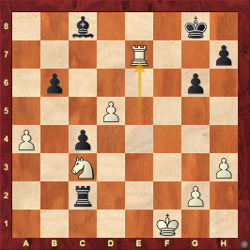
Black to play and win

Defending champion Peter Majur (2111) walked into a perpetual in this very theoretical Grunfeld. Allan Chumba (1885) was very much up to the task as can be seen in the analysis below:

[Event “Mombasa Open Chess Championship 2026”]

[Round “1”]

[White “Chumba Allan”]

[Black “Peter Majur Manyang”]

[Result “1/2-1/2”]

[ECO “D87”]

[WhiteElo “1885”]

[BlackElo “2111”]

[EventDate “09.10.2026”]


  1. d4 Nf6 2. c4 g6 3. Nc3 d5 (The Grünfeld, one of blacks most complicated responses to 1.d4. The main idea for black is to develop pieces with minimal pawn movement. The advantage is black gets their pieces towards the center faster than white. The disadvantage is white gets a strong pawn center and has more space). 4. cxd5 Nxd5 5. e4 Nxc3 6. bxc3 Bg7 7. Bc4 O-O 8.Ne2 c5 9. O-O Qc7 (First inaccuracy of the game. Black allows white to continue with his pawn marches and sets his queen in the line of fire. Better would be 9…Nc6 so that now after 10.d5 the black knight has access to a5 and e5 both strong outposts) 10. d5 Nd7 11. Bf4 Qa5 12. Qd2 (White is slightly better. Even a4 is possible in this position. The c3 pawn is immune to capture because black would not want to give up his strong Indian bishop on g7 with all the unprotected dark squares around his king.)

12…b5 (a4 in the previous move would have stopped this) 13. Bd3 Ne5 14. Bxe5 (This gives the advantage back to black as now he has the bishop pair) Bxe5 15. f4 Bg7 16.

h3 c4 17. Bc2 b4 18. e5 bxc3 19. Nxc3 f6 20. Rae1

(Here 20…Qb6+ would control the a7-g8 diagonal and if a rook appears on f8 after the f-file opens up then the white king is denied access to the center where he needs to be in the endgame to support the central pawns 21. Qe3 fxe5 22. fxe5 Rxf1+ 23. Kxf1 Bb7 then Rf8) 20…Rb8 21. Qd4 (White realized the importance of controlling the diagonal first) Rb2 22. Re2 Qb6 23. Qxb6 axb6 (black is winning) 24. a4 fxe5 25. fxe5

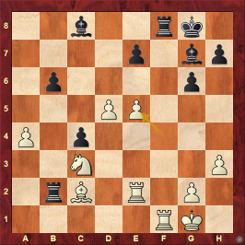
Can you find a strong move for black?

25…Rxf1+? (Black missed 25… Bxe5! 26. Rxe5 Rxc2 27. Rxf8+ Kxf8 28. Re3 after which he has the more active rook, an extra central pawn, a better pawn structure and, crucially, the bishop in an open position in the endgame) 26. Kxf1 11 Bxe5 27. Rxe5 Rxc2 28. Rxe7

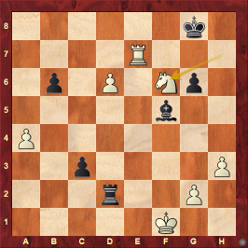
(The difference in this variation played in the game  is white has a very active rook and blacks king is precarious.) 28…Bf5 (The position is equal. If 28…Rxc3? 29.Re8+ forks the king and bishop) 29. Ne4 Kf8 30. d6 c3 31. Ng5 Rd2 32. Nxh7+ Kg8 33. Nf6+ Kf8 34. Nh7+ Kg8

35. Nf6+ Kf8 (Forced perpetual! If Kh8 then Rh7 is checkmate) ½- ½

Share this post :
Facebook
Twitter
LinkedIn
Pinterest

Leave a Reply

Your email address will not be published. Required fields are marked *

The Secret Station

Lorem ipsum dolor sit amet consectetur adipiscing elit dolor
Share this post :
Facebook
Twitter
LinkedIn
Pinterest

Leave a Reply

Your email address will not be published. Required fields are marked *

The Secret Station

Lorem ipsum dolor sit amet consectetur adipiscing elit dolor

The Mombasa Open Chess Championship is proving to be where strong players are not respected.

The Mombasa Open Chess Championship 2026 is being held at the Mombasa Continental Resort in the beautiful coastal town of Mombasa. The tournament is a 6 round Swiss format 90 minutes with 30 second increment from move 1. There are Open, Ladies and Junior sections with a total of about 250 players from all over the country. The tournament is organised by Mombasa Chess Cub and sports a handsome prize fund of USD1900. Games started on Friday 9th October and end on Sunday 11th October.

As we enter the second half of the 6 round tournament there are currently 9(!) players with 2.5 points out of 3. The first round had a few upsets with Richard Mutumbi (1573) out- calculating Achol Agot (1783).

Achol Agot-Richard Mutumbi 14.Nb5?

 Mutumbi was black in this position and Agot has just played the dubious 14.Nb5? (seems like a natural move eyeing the c7 square but loses a pawn after the intermezzo) 14…Ne4! (Which gives black the bishop pair. The situation was not fatal yet until white lined up the rook and queen for a skewer on move 24 losing the exchange and eventually the game:

Black to play and win

Defending champion Peter Majur (2111) walked into a perpetual in this very theoretical Grunfeld. Allan Chumba (1885) was very much up to the task as can be seen in the analysis below:

[Event “Mombasa Open Chess Championship 2026”]

[Round “1”]

[White “Chumba Allan”]

[Black “Peter Majur Manyang”]

[Result “1/2-1/2”]

[ECO “D87”]

[WhiteElo “1885”]

[BlackElo “2111”]

[EventDate “09.10.2026”]


  1. d4 Nf6 2. c4 g6 3. Nc3 d5 (The Grünfeld, one of blacks most complicated responses to 1.d4. The main idea for black is to develop pieces with minimal pawn movement. The advantage is black gets their pieces towards the center faster than white. The disadvantage is white gets a strong pawn center and has more space). 4. cxd5 Nxd5 5. e4 Nxc3 6. bxc3 Bg7 7. Bc4 O-O 8.Ne2 c5 9. O-O Qc7 (First inaccuracy of the game. Black allows white to continue with his pawn marches and sets his queen in the line of fire. Better would be 9…Nc6 so that now after 10.d5 the black knight has access to a5 and e5 both strong outposts) 10. d5 Nd7 11. Bf4 Qa5 12. Qd2 (White is slightly better. Even a4 is possible in this position. The c3 pawn is immune to capture because black would not want to give up his strong Indian bishop on g7 with all the unprotected dark squares around his king.)

12…b5 (a4 in the previous move would have stopped this) 13. Bd3 Ne5 14. Bxe5 (This gives the advantage back to black as now he has the bishop pair) Bxe5 15. f4 Bg7 16.

h3 c4 17. Bc2 b4 18. e5 bxc3 19. Nxc3 f6 20. Rae1

(Here 20…Qb6+ would control the a7-g8 diagonal and if a rook appears on f8 after the f-file opens up then the white king is denied access to the center where he needs to be in the endgame to support the central pawns 21. Qe3 fxe5 22. fxe5 Rxf1+ 23. Kxf1 Bb7 then Rf8) 20…Rb8 21. Qd4 (White realized the importance of controlling the diagonal first) Rb2 22. Re2 Qb6 23. Qxb6 axb6 (black is winning) 24. a4 fxe5 25. fxe5

Can you find a strong move for black?

25…Rxf1+? (Black missed 25… Bxe5! 26. Rxe5 Rxc2 27. Rxf8+ Kxf8 28. Re3 after which he has the more active rook, an extra central pawn, a better pawn structure and, crucially, the bishop in an open position in the endgame) 26. Kxf1 11 Bxe5 27. Rxe5 Rxc2 28. Rxe7

(The difference in this variation played in the game  is white has a very active rook and blacks king is precarious.) 28…Bf5 (The position is equal. If 28…Rxc3? 29.Re8+ forks the king and bishop) 29. Ne4 Kf8 30. d6 c3 31. Ng5 Rd2 32. Nxh7+ Kg8 33. Nf6+ Kf8 34. Nh7+ Kg8

35. Nf6+ Kf8 (Forced perpetual! If Kh8 then Rh7 is checkmate) ½- ½

Mombasa Open Round 3

Share this post :
Facebook
Twitter
LinkedIn
Pinterest

Leave a Reply

Your email address will not be published. Required fields are marked *

The Secret Station

Lorem ipsum dolor sit amet consectetur adipiscing elit dolor

The Mombasa Open Chess Championship is proving to be where strong players are not respected.

The Mombasa Open Chess Championship 2026 is being held at the Mombasa Continental Resort in the beautiful coastal town of Mombasa. The tournament is a 6 round Swiss format 90 minutes with 30 second increment from move 1. There are Open, Ladies and Junior sections with a total of about 250 players from all over the country. The tournament is organised by Mombasa Chess Cub and sports a handsome prize fund of USD1900. Games started on Friday 9th October and end on Sunday 11th October.

As we enter the second half of the 6 round tournament there are currently 9(!) players with 2.5 points out of 3. The first round had a few upsets with Richard Mutumbi (1573) out- calculating Achol Agot (1783).

Achol Agot-Richard Mutumbi 14.Nb5?

 Mutumbi was black in this position and Agot has just played the dubious 14.Nb5? (seems like a natural move eyeing the c7 square but loses a pawn after the intermezzo) 14…Ne4! (Which gives black the bishop pair. The situation was not fatal yet until white lined up the rook and queen for a skewer on move 24 losing the exchange and eventually the game:

Black to play and win

Defending champion Peter Majur (2111) walked into a perpetual in this very theoretical Grunfeld. Allan Chumba (1885) was very much up to the task as can be seen in the analysis below:

[Event “Mombasa Open Chess Championship 2026”]

[Round “1”]

[White “Chumba Allan”]

[Black “Peter Majur Manyang”]

[Result “1/2-1/2”]

[ECO “D87”]

[WhiteElo “1885”]

[BlackElo “2111”]

[EventDate “09.10.2026”]


  1. d4 Nf6 2. c4 g6 3. Nc3 d5 (The Grünfeld, one of blacks most complicated responses to 1.d4. The main idea for black is to develop pieces with minimal pawn movement. The advantage is black gets their pieces towards the center faster than white. The disadvantage is white gets a strong pawn center and has more space). 4. cxd5 Nxd5 5. e4 Nxc3 6. bxc3 Bg7 7. Bc4 O-O 8.Ne2 c5 9. O-O Qc7 (First inaccuracy of the game. Black allows white to continue with his pawn marches and sets his queen in the line of fire. Better would be 9…Nc6 so that now after 10.d5 the black knight has access to a5 and e5 both strong outposts) 10. d5 Nd7 11. Bf4 Qa5 12. Qd2 (White is slightly better. Even a4 is possible in this position. The c3 pawn is immune to capture because black would not want to give up his strong Indian bishop on g7 with all the unprotected dark squares around his king.)

12…b5 (a4 in the previous move would have stopped this) 13. Bd3 Ne5 14. Bxe5 (This gives the advantage back to black as now he has the bishop pair) Bxe5 15. f4 Bg7 16.

h3 c4 17. Bc2 b4 18. e5 bxc3 19. Nxc3 f6 20. Rae1

(Here 20…Qb6+ would control the a7-g8 diagonal and if a rook appears on f8 after the f-file opens up then the white king is denied access to the center where he needs to be in the endgame to support the central pawns 21. Qe3 fxe5 22. fxe5 Rxf1+ 23. Kxf1 Bb7 then Rf8) 20…Rb8 21. Qd4 (White realized the importance of controlling the diagonal first) Rb2 22. Re2 Qb6 23. Qxb6 axb6 (black is winning) 24. a4 fxe5 25. fxe5

Can you find a strong move for black?

25…Rxf1+? (Black missed 25… Bxe5! 26. Rxe5 Rxc2 27. Rxf8+ Kxf8 28. Re3 after which he has the more active rook, an extra central pawn, a better pawn structure and, crucially, the bishop in an open position in the endgame) 26. Kxf1 11 Bxe5 27. Rxe5 Rxc2 28. Rxe7

(The difference in this variation played in the game  is white has a very active rook and blacks king is precarious.) 28…Bf5 (The position is equal. If 28…Rxc3? 29.Re8+ forks the king and bishop) 29. Ne4 Kf8 30. d6 c3 31. Ng5 Rd2 32. Nxh7+ Kg8 33. Nf6+ Kf8 34. Nh7+ Kg8

35. Nf6+ Kf8 (Forced perpetual! If Kh8 then Rh7 is checkmate) ½- ½

Share this post :
Facebook
Twitter
LinkedIn
Pinterest

Leave a Reply

Your email address will not be published. Required fields are marked *

The Secret Station

Lorem ipsum dolor sit amet consectetur adipiscing elit dolor
Share this post :
Facebook
Twitter
LinkedIn
Pinterest

Leave a Reply

Your email address will not be published. Required fields are marked *

The Secret Station

Lorem ipsum dolor sit amet consectetur adipiscing elit dolor